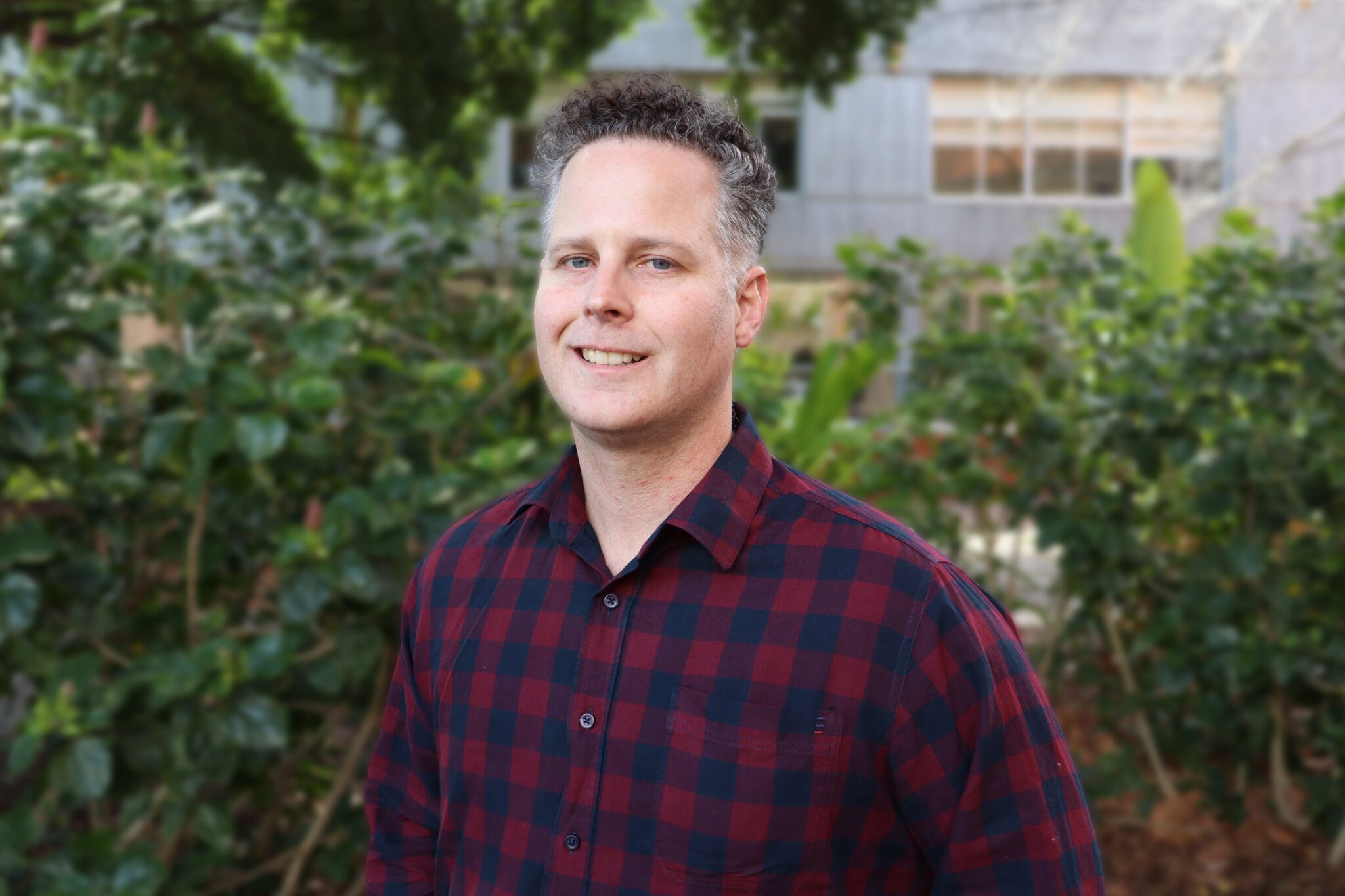
Tiny, laboratory-created tumours will be grown to help fight liver cancer, as part of new Curtin research funded by the prestigious WA Near-Miss Awards (WANMA) Emerging Leaders 2025-26 Fellowship.
, a Senior Research Fellow in the Curtin Medical Research Institute () and Curtin Medical School, has been awarded almost $1 million in funding to investigate 鈥榩atient-derived tumour organoids鈥�, which involves a small sample of tumour tissue being placed into special growth conditions, allowing the cells to organise themselves into a miniature version of the tumour.
These mini tumours keep many of the features of a patient鈥檚 real cancer, including how the cells grow, interact and respond to treatments.
While current organoids don鈥檛 always behave exactly like real tumours, Dr Dwyer said his project would offer researchers the opportunity to simulate a more accurate version of a tumour to test possible new treatments and provide functional data to inform treatment decisions.
鈥淏y growing miniature versions of a patient鈥檚 cancer in the lab, we can see how it reacts to different drugs before giving them to the patient,鈥� Dr Dwyer said.
鈥淚t鈥檚 like we are creating a detailed scale model of a building: it鈥檚 not the full structure, but it鈥檚 accurate enough to study and test ideas without risk.
鈥淭hrough collaboration with the Perkins Cancer Biobank and the Liver Cancer Collaborative, this project aims to make the organoids more accurate by optimising the conditions they are grown in and adding the patient鈥檚 own immune cells to see how they interact. We will use these optimised models to screen for therapeutic targets to improve current therapies and develop new ones.鈥�
Dr Dwyer said it was particularly important for liver cancer treatments to be developed given people diagnosed with liver cancer are given just a 23 per cent chance of surviving at least five years.
鈥淟iver cancer is often diagnosed late, when surgery is no longer an option and treatments have limited success,鈥� he said.
鈥淪o being able to better predict which treatments will or won鈥檛 work for each individual 鈥� and doing it quickly 鈥� is critical.鈥�
Dr Dwyer was named a WA Near-Miss Awards (WANMA) Emerging Leaders 2025-26 Fellow for being one of the two top-ranked mid-career researchers in the state.
It comes after Curtin won $500,000 from the Future Health Research and Innovation (FHRI) Fund 鈥� Enabling Scheme in 2024 to create the Western Australian Organoid Innovation Hub within Curtin MRI and builds on the Cancer Research Trust-funded Liver Cancer Collaborative.
Curtin Deputy Vice-Chancellor Research said the acknowledgment was further evidence of the University鈥檚 growing reputation in the field.
鈥淭his is a highly prestigious Fellowship and the Curtin community wholeheartedly congratulates Ben on his achievement,鈥� Professor Fitzgerald said.
鈥淭his project has the potential to save time, money and, most importantly, lives 鈥� by ensuring the treatments making it to patients are the ones most likely to work.
鈥淭his will build significantly on Curtin鈥檚 already extensive expertise in cancer research and personalised medicine.鈥�
For more information about the WANMA Emerging Leaders 2025-26 Fellowship, visit .